The familiar shouts cut through the quiet of the apartment building like a bad comedy rerun nobody ordered. “What is it with you this time? How much longer can this go on? I’m completely fed up!” The woman’s voice spilled out from behind the door, loud enough to entertain the whole staircase and probably the neighbors downstairs too.
Right then, Eliška and Matěj were trudging up the stairs after school. They froze mid-step, as if they’d bumped into an invisible wall. Their eyes met for a split second, and without a single word they both got the message: time to retreat. They let out matching sighs, spun around, and slipped back outside. Clearly, heading home for the evening was off the table.
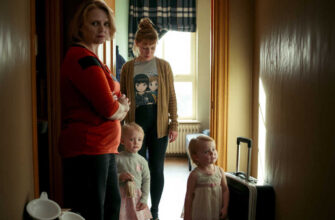
Who in their right mind would pick an evening of nonstop parental shouting matches over a bit of peace? Not these two. They strode over to the neighboring entrance where their grandmother Kateřina lived. Her apartment had turned into their unofficial hideout lately. Weekend visits had quietly become almost nightly escapes.
Home had gone from mildly chaotic to straight-up exhausting. The parents seemed to have tuned out the rest of the world and just kept firing verbal shots at each other. The worst part was how they kept trying to rope the kids into the crossfire.
One minute Mom would whirl around and pin Eliška with a question: “Tell me I’m right, you agree with me, right?”
The next, Dad would jump in before anyone could answer and turn to Matěj: “No, I’m the correct one here! Say it!”
Eliška and Matěj kept their mouths shut. Picking sides felt like volunteering for extra drama they never auditioned for. All they craved was a little quiet and warmth, the exact things they found at Grandma’s.
These blow-ups happened on repeat, like a scratched record nobody bothered to lift the needle on. The twins had gotten good at spotting the early warning signsthe raised tone, the jerky movements, the sideways glances. That was their signal to vanish. What teenager wants to live in a house where any chat might suddenly turn into a full-volume performance?
They still couldn’t pin down what had flipped their family upside down. Things were never postcard-perfect, but the parents used to hash things out without turning the volume to eleven. Spats happened, sure, but they usually ended with everyone cooling off over a cup of tea and chatting about weekend plans.
Roughly two years back, the switch flipped. It was as if someone had quietly replaced their usual parents with these new versions who could turn a dirty mug on the table into a full lecture on respect, or a shirt on the wrong hook into a half-hour rant about household order. Even a forgotten spoon in the sink got treated like evidence in a crime show.
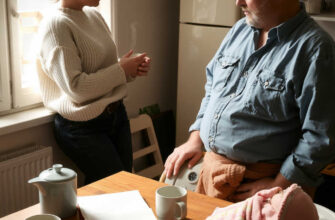
One evening Eliška sat at Grandma’s kitchen table, stirring her tea without really seeing it. After a long pause watching the liquid swirl, she asked with a wry little sigh, “How did it get this way, Grandma? Everything went sideways after their vacation together. What even happened there?”
Kateřina paused, set her cup down carefully, and gave Eliška’s hand a gentle pat. She had her own quiet theories about the rift, none of them cheerful.
” Grown-ups will work it out,” she answered softly, keeping her voice steady. “Sometimes people just need a bit of time to sort out what comes next.”
Eliška nodded, though her expression stayed doubtful. She could tell Grandma was holding something back, but pushing felt pointless while they still treated her like a kid.
“We can’t handle the shouting anymore!” Matěj blurted out. “We can’t finish homework or even read a book without interruption! I barely remember the last time we sat down for a family meal. If living together is this miserable, maybe splitting up would actually make life simpler for everyone!”
The words tumbled out before he could stop them, but they summed up months of built-up frustration. He wasn’t just speaking for himselfhe knew his sister felt the exact same exhaustion. The house had lost its calm ages ago; one sharp comment from Mom, an irritated reply from Dad, and suddenly another argument with nowhere safe to duck.
“Matěj…” Grandma trailed off. She set her knitting aside, studied her grandson, and slowly shook her head. “Have you thought about what happens after a divorce? You’d probably have to split up. Are you ready to live apart from Eliška?”
“We’ll just move in with you!” Eliška jumped in, giving her the most hopeful look she could manage. “We’re already here half the time anyway. You wouldn’t mind, would you?”
Kateřina stayed quiet for a moment. She saw how worn out they were from the daily tension. Having them close would mean a calmer spot for schoolwork and a real sense of safety. She adored them and would happily wrap them in care.
At the same time, how would their parents react to the kids choosing to leave? Would they even agree? And if they did, what would that do to the family bonds? Could this turn into a total break instead of a fix?
“Let’s not decide anything in a rush,” she said after a long breath. “You know I’m always glad to have you here. But first we should try sitting down with your mom and dad. Maybe together we can find a better way through this.”
“Don’t worry, we’ll handle the talk ourselves,” Eliška said with a confident smile. Grandma was basically agreeingthat was the main win! “Just please don’t say no! We honestly can’t stay there anymore! They’d probably be happier living separately anywayotherwise one of these days someone might actually get hurt! I saw Dad almost swing at Mom yesterday… He stopped himself, really! But it was close.”
Eliška went quiet, the memory flashing back. She’d slipped into the kitchen for water and stood frozen in the doorway: Dad half-turned toward Mom, hand suddenly up, Mom flinching low. A heartbeat later he dropped it, but that single second had stretched forever for her.
“Come on, Grandma, just say yes!” Matěj added quickly. He moved closer and took her hand, almost as if worried she’d change her mind. “We’ll pitch in around the house with everything. Just don’t send us back. They barely notice we’re there! Yesterday I told Dad about a parent meeting at school. Know what he said? ‘Ask your mom!’ So I did. Can you guess what she told me?”
“Go ask your dad?” Kateřina guessed quietly.
“Spot on!” Matěj let out a short, tired laugh. “Then they spent the next two hours yelling across rooms about who should actually go. I just stood there like a spectator.”
“And when I asked them to sign a form for a museum trip,” Eliška added, eyes on the table as her fingers twisted her sleeve, “now I’m the only kid in class who can’t go. Neither of them signed it. Instead they started arguing againMom insisting it’s Dad’s responsibility, Dad saying it’s hers.”
Kateřina looked at her grandchildren and saw the deep tiredness in their faces. It wasn’t ordinary kid exhaustion; it was the kind that piles up when every day brings more tension than comfort.
“It’s always the same,” Matěj sighed, letting his shoulders drop. “Anything we need turns into fresh ammunition for another fight. We don’t even feel like coming home. The other night we got back around eleven and you know what happened? Nothing! They just waved us off to bed without even asking where we’d been. Then they spent ages blaming each other for raising us wrong.”
The twins sighed at the same time. Lately they’d been quietly weighing whether divorce might be the only real exit. But the thought of being split up terrified themone with Mom, one with Dad, their usual closeness reduced to occasional weekends.
They’d whisper about options late at night in their room. Once Matěj joked about just grabbing backpacks and disappearing for a while. He grinned to ease the mood, but Eliška took the idea seriously for a moment. Her eyes lit up, then she said softly, “What if we actually did leave? Even just for a couple days…” Right then they both realized things at home had gotten so loud that running away didn’t feel completely ridiculous anymore.
Then the obvious solution hit them both at once: Grandma! Why not ask to live with her? Eliška said it first. “What if we asked Grandma to let us stay here? She never yells. We wouldn’t have to listen to all those fights anymore…” Matěj picked it up right away. “Exactly! She’s always on our side. And her place is plenty big.”
They started picturing the new setup: calm breakfasts, homework without background noise, evenings playing board games with Grandma. No raised voices, no accusations, no need to retreat to their room. For the first time in ages, a small spark of hope appeared. Let the parents sort out their own mess; the kids could finally catch their breaththat’s what they kept imagining as they thought about life at Grandma’s…
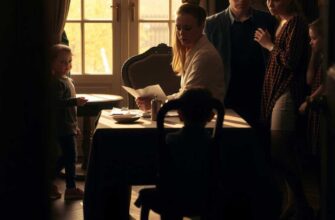
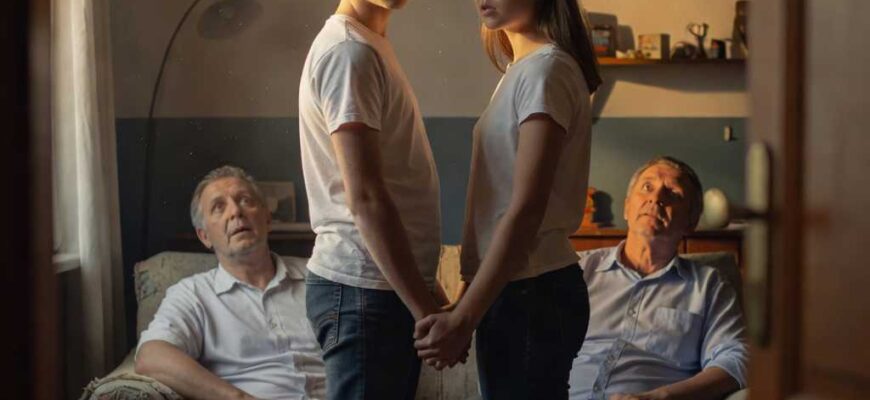
“Mom, Dad, we need to have a proper talk,” the twins announced, standing in front of their parents. They’d waited until both were home and walked straight into the living room. Eliška kept a firm grip on Matěj’s hand for courage. “But first you have to promise you’ll let us finish before jumping in.”
Michal glanced up from his phone, eyebrows raised. Tereza, sorting laundry on the couch, sat up straight. Their expressions said the kids had just suggested something completely off-script.
“This is all your doing!” she huffed, folding her arms. “The children are already giving us ultimatums! As if we owe them a report!”
“Who are you to complain!” Michal shot back, tossing his phone aside. “I’m the one working late every day to keep things going. You’ve been home with them the whole time! What exactly did you teach them that they’re ordering us around now?”
The twins shared a quick look. They knew the conversation would slide into the usual blame game, but backing down wasn’t an option.
“Stop!” Eliška said, voice tight. She stepped forward, trying to keep her words steady even though her stomach was doing flips. “Matěj and I talked it over. You two need to get a divorce.”
The room went completely still. Tereza’s mouth hung open, and Michal slowly pushed himself up from the couch.
“Well that’s a new one,” Mom said, her tone sharp. “Eliška, you’re far too young to be handing out life advice to adults! And what else have you two ‘decided’? Planning to split the flat for us while you’re at it?”
“If you don’t divorce, we’ll contact child services,” Matěj said, tightening his hold on his sister’s hand. His voice stayed steady even if part of him wondered how serious he sounded. “And Dad, that could cost you your job. Your company hates bad publicity, right? You’ve said it yourselfreputation matters.”
“And Mom,” Eliška continued, meeting her mother’s eyes, “the neighbors already hear everything. They might stop talking to you altogether if we fill in the details!”
“They’re threatening us! Look at them!” Tereza finally managed, staring from one twin to the other. “These are our own children! How can you speak to us like this?”
“We’re not threatening anyone,” Matěj replied calmly. “We just need you to see that this isn’t working. We’re exhausted. Tired of the noise, of being ignored, of every small request exploding into another scene.”
“You’ll divorce, move into separate places, and we’ll stay with Grandma,” the twins said together, like they’d rehearsed the line. “It’ll be better all aroundquiet for us, fewer fights for you. We’re done being stuck in the middle.”
For once the parents had nothing ready to fire back. Normally they’d interrupt and point fingers, but right then both just sat there looking stunned.
Their thirteen-year-old twins were behaving in a way neither had expected. Eliška and Matěj stood shoulder to shoulder, hands linked, facing them with steady expressions. They were talking about grown-up problems the adults had been dodging.
Michal and Tereza had privately considered divorce more than once. What always stopped them was the question of the kids. Splitting the twins felt unthinkablethey did everything together and backed each other up constantly. The parents couldn’t picture forcing them into separate homes with only weekend visits.
The possibility of Grandma’s place had never really crossed their minds before. Maybe because they’d been too busy nursing their own grudges. Hearing the kids lay it out now made them pause. What if this actually helped? Kateřina loved the grandchildren, her apartment was roomy, and she was always happy to see them. Could this ease at least some of the pressure?
“I’ll call my mother,” Michal said at last through clenched teeth. His voice sounded rough. “If she says it’s all right…”
He didn’t get to finish. Tereza cut in, sounding so worn out it surprised even her:
“Then we can finally stop making each other miserable. Go ahead and call. I’ll be relieved not to see your face every single day.”
The words sat heavy in the air. She hadn’t planned to sound so blunt, but years of accumulated frustration had loosened them.
“And I’ll be over the moon,” Michal answered, trying to cover the sting with a dry smile.
There wasn’t real anger in his voice, just a tired sort of irony about how their marriage had turned out. He pulled out his phone and dialed. While the line rang, both parents looked anywhere but at each other. They didn’t know what would come next, but it felt like something important had already shifted…
That day the Novák family landed on a big change. It began with a long conversation between Michal and his mother. Kateřina listened without interrupting, only asking for details here and there.
When Michal finished laying everything out, a quiet moment passed. Grandma let out a slow breath and said, “If you both believe this is better for the children, then I agree. They’ll be safe here and I’ll look after them.”
By evening the couple sat in the kitchenwithout raised voices or old accusations for once. They faced each other and went over the practical steps. Bit by bit they reached the same conclusion: divorce made the most sense. The twins would move to Grandma’s, and both parents would send money each month to help cover their needs.
Nobody planned to disappear from the kids’ lives. Both promised to visit on weekends, just on different days so they wouldn’t cross paths.
“I’ll pick them up Saturday mornings for a walk, and you can take Sunday,” Michal said wearily. Tereza nodded in agreement. “Keeps things simple. The important part is they don’t feel left behind.”
The shared goal was keeping contact minimal to avoid fresh arguments. They promised not to speak badly about each other to the children, not to pull them into sides, and not to settle scores in front of them.
“We’re still their parents,” Michal pointed out. “That doesn’t change just because we’re no longer married.”
Time proved the choice worked out. The kids could finally breathe and act like regular teenagers. Eliška joined an art group she’d been eyeing for ages but never had the headspace for before. Matěj started playing football and made new friends on the team. They spent afternoons wandering the city, catching films, and talking about school without worrying a fight would erupt at any second.
Schoolwork also settled down. They had a quiet corner for studying now, free from background noise. Assignments got finished without stress, and grades climbed quickly. Teachers even commented, “You’ve become so much more focusedkeep going!”
Life found a steadier rhythmnot flawless, but calm enough. The twins stopped hiding in their room or flinching at loud voices. They simply got on with being teenagers who’d found a bit of solid ground when they needed it most…
Five years on, things for the Novák family moved at a quiet, predictable pace. Eliška and Matěj had settled into the new pattern: classes, activities, friends, and relaxed evenings with Grandma. Their parents still came around on alternate dayseach bringing small gifts and attention, but no old complaints. Over time they’d learned to keep conversations polite and light.
The first real meeting between the former couple happened at the twins’ graduation celebration. The school threw a proper evening, and both parents turned up. They started off careful, choosing seats at opposite sides of the hall, but gradually the awkwardness eased.
When the dancing started, Michal walked over to Tereza with an unexpected offer:
“Care to dance? For old time’s sake.”
She paused, then nodded.
Afterward they sat outside in the school courtyard for a long while, watching the graduates laugh by the fountain. Talk flowed naturallyfirst about the kids, then drifting back to earlier days.
They chatted for hours, recalling the better parts of their marriage and keeping things respectful. The focus stayed on what had once been good between them. From a distance the twins watched, quietly glad but also a little wistful to see their parents treat each other like distant acquaintances rather than enemies.
Then, the very next day, Michal and Tereza invited the kids to a café. Over tea they looked at each other, took hands, and Michal announced with a bright smile, “Kids, your mom and I have decided to get married again. After all this time apart we’ve realized the feelings never really went away. We still care about each other and want to try being a family once more.”
He sounded genuinely cheerful, like he’d just shared the best possible update. Tereza smiled warmly beside him, clearly hoping for a happy reaction.
The twins glanced at each othertheir expressions clouded over at once. Skepticism flickered across Eliška’s face while Matěj’s hands tightened under the table. Here we go again, they thought. What on earth were their parents thinking? Had they really forgotten how quickly things could slide back into old patterns?
“You’re serious?” Eliška managed.
“Completely,” Michal answered with confidence. “We’ve both grown. We know how to listen now. And we want to give this another real chance.”
The twins stayed quiet. Mixed feelings churnedpart of them hoped the parents had truly changed, while another part dreaded watching the same cycle restart.
They didn’t argue against it. They didn’t even comment, which left their parents visibly disappointed. Tereza looked between them, confused.
“Aren’t you happy for us? We thought you’d be pleased.”
The twins simply exchanged another look and gave small shrugs. What were they supposed to say? “Please don’tdon’t repeat the same mistakes”? The words wouldn’t come out. They didn’t want to sound cold, but pretending excitement felt impossible too.
The rest of the visit stayed polite but strained. Parents described their plans; the kids nodded at the right moments while their thoughts drifted elsewhere. On the way home Eliška murmured to her brother, “Let’s hope they actually thought this through.”
Matěj only let out a quiet sigh in reply…
“So we’re really applying to universities in Prague?” Eliška asked, opening her laptop to browse program pages. “Far enough to escape this ongoing circus. I can already picture how it will probably end.”
“Absolutely,” Matěj replied, sounding more certain than most people his age. He dragged a hand through his hair as if trying to clear the weight of recent weeks. “They’ll manage a month, maybe two if we’re lucky. Then it’ll be the usual routineraised voices, doors slamming, fresh accusations. I don’t want to stay stuck as a spectator in their relationship anymore. I don’t want to wake up every morning guessing their mood and bracing for the next round of complaints aimed at us.”
He stood and paced, absently gathering textbooks from the floor. The same thought kept circling: why did adults who were supposed to model stability keep repeating the same mistakes like characters in a predictable story?
“We need to get out,” he said again, pausing by the window. Outside, the evening light was softening the city in warm tones. Matěj stared out, almost as if trying to spot his own future on the horizon. “Far enough that their arguments can’t reach us. Let them handle their own mess. We’re not their counselors or referees or shields anymore. We’ve got our own lives and plans, and I’m not letting another round of their drama derail them.”
“When do we send the applications?” Eliška asked evenly.
“Tomorrow,” Matěj answered right away. “Before either of us can second-guess it.”
She nodded without looking up, scrolling through Prague university sites. She’d spent days comparing courses, dorm options, and future job prospects. Her notebook was filling with lists of advantages, required documents, deadlines, and contact details.
“The main thing is studying without their fights in the background,” she said after a moment. “It’s good we’ll be far away.”
“Exactly,” Matěj agreed, settling beside her. He leaned in to read the screen. “When they start the next round of ‘who’s to blame,’ we won’t even hear it. They can call and complain all they wantwe’re not getting pulled back in. And that whole idea of ‘giving the relationship another try,'” he added with a small, tired smile, “that’s their decision, not ours.”
Tereza and Michal went through with the second wedding after all. They kept it small this timeno big party, no extra expense, and honestly no desire for fanfare. Just a simple registry office ceremony followed by dinner with close family and a few friends.
In the photos they looked genuinely content, holding hands and exchanging warm glances. Their fingers were laced together, their expressions soft. It really did seem like old hurts had faded and the time apart had helped them figure out what mattered. The twins, studying the pictures later, couldn’t help wondering if maybe this round would actually stick.
But of course it didn’t. The first few weeks after the wedding stayed surprisingly calm. They tried harder to notice each other, said thank you more often, and skipped the small criticisms. Gradually the old patterns crept back in. Within a month the apartment was hearing raised voices again. At first they were careful digs”You left your things out again?” “Why didn’t you mention you’d be late?” “You could have helped if you were home anyway.”
Soon the arguments turned open and frequent. Fights broke out over nothing: wet towels left in the bathroom, someone forgetting bread, the TV volume being too high. Words sharpened, voices climbed, and the gaps between clashes grew shorter.
Two months in, just as Matěj had predicted, things reached a breaking point. One evening a disagreement about groceries exploded. Michal, losing patience, hurled a cup against the wall where it shattered loudly. Tereza grabbed a plate in return and smashed it on the floor. The sound of breaking crockery rang through the rooms.
After scenes like that, the parents inevitably phoned the twins. The calls always followed the same script: one of them would ring while still catching their breath and unload every fresh grievance.
“Can you imagine what he said to me today?” Tereza would ask through tears when Eliška picked up. “He refuses to even try understanding me!”
“Son, you need to hear my sideshe has no self-control,” Michal would tell Matěj urgently. “I’m doing my best, but she seems to hunt for reasons to argue!”
Eliška and Matěj had learned to cut these calls short with polite firmness. They no longer let themselves get drawn into long back-and-forths or attempts to assign blame. Their answers stayed brief and clear.
“Mom, I’m heading into class, I’ll call you later,” Eliška would say, glancing at the clock even if she had twenty minutes to spare.
“Dad, I’ve got a deadline right nowlet’s catch up on the weekend,” Matěj would reply without looking away from his screen. He knew that letting a parent vent could easily eat an hour, followed by more time spent calming them down.
“Later” and “on the weekend” kept getting pushed back. The twins found excuseslectures, part-time work, time with friendsand the calls from home gradually became less frequent. Neither felt guilty about it; they were simply guarding their own energy, aware they couldn’t fix what kept happening between their parents.
The twins had built real lives by thenfull, interesting ones that had nothing to do with the old dramas. Their days revolved around their own interests and goals instead of bracing for the next explosion at home.
Eliška threw herself into psychology studies. She enjoyed untangling how people think and why they act the way they do, and how to support those going through rough patches. In her third year she began volunteering at a center for teenagers from difficult homes. She ran group sessions there, helping the kids voice their feelings and find practical ways forward. She often recognized pieces of her own story in theirs and tried to offer the attention and understanding she had once missed.
Matěj discovered his place in IT. From the start he was drawn to programmingthe clean logic of code, the satisfaction of building something that actually worked. He spent hours at the computer learning new languages and joining student competitions. In his fourth year his team took third place in a regional app development event, which gave him real confidence that he was heading in the right direction. He picked up part-time work at a small tech company where he quickly proved reliable. Real projects taught him how to collaborate, manage time, and handle unexpected problems.
The twins began making plans that didn’t revolve around their parents’ next argument. Eliška hoped to open her own practice someday, helping families communicate better. Matěj considered starting his own small business. They talked through ideas over coffee, sketched rough outlines, and filled notebooks with possibilities. In those moments they felt they had something solid to build ona direction that belonged to them.
Whenever Tereza and Michal tried pulling them back into the old problemsphoning in tears to complain about how badly things were going and how little they understood each otherthe twins answered with the same calm resolve. They’d already decided together how to handle these calls without slipping into their former roles as go-betweens.
“That’s enough, you twowork it out between yourselves,” Eliška told them firmly. “You have your life, and we have ours.”
“But you’re our children!” Tereza cried. “You should be supporting us!”
“If you behaved like adults instead of throwing tantrums, we would,” Matěj answered. “You chose to remarry and you’re still making each other miserable. If you can’t share space without fighting, why keep doing it to yourselves? Just end it properly and live separately.”
The words might have sounded harsh, but the brother and sister simply wanted a life that stayed peaceful.